
When people think of the Arctic, they usually imagine some kind of extreme danger. They think of sub-zero temperatures, vast fields of unpredictable ice, and, of course, the polar bears. It is a landscape that feels like it belongs to explorers from a hundred years ago. People like Amundsen or Nansen. Not modern travelers with luggage and a laptop. So, it is only natural to ask. Is it actually safe to visit a place this remote? Honestly? The short answer is yes. But the long answer is all about how you choose to experience it.
Svalbard is a wilderness in the truest, rawest sense of the word. Outside of the little settlement of Longyearbyen, there are no roads. No fences. No safety nets. This is why the way you travel matters more here than anywhere else on earth. For someone who wants to see the edge of the world without feeling like they are in a survival movie, the rise of specialized expeditions has completely changed the game.
Safety Through Expertise
The biggest misconception about Arctic travel is that it is some kind of free-for-all. In reality, moving through these waters requires a massive amount of planning. When you join one of the scenic Arctic cruises navigating these fjords, you are not just on a boat. You are part of a highly coordinated operation. Honestly, it is the kind of setup where you can actually relax because you know the people running the show have spent years obsessing over every glacier and narrow passage on that itinerary.
Safety in Svalbard is built on expertise. It is about having guides who can actually read the ice. People who understand how the wildlife is going to react before it even happens. It is about ships built for the high north. These vessels have the latest tech, sure, but they also have people who have spent their whole lives in the polar regions. They know that respect for the environment is the best safety protocol you can have. You don’t fight the Arctic. You listen to it.
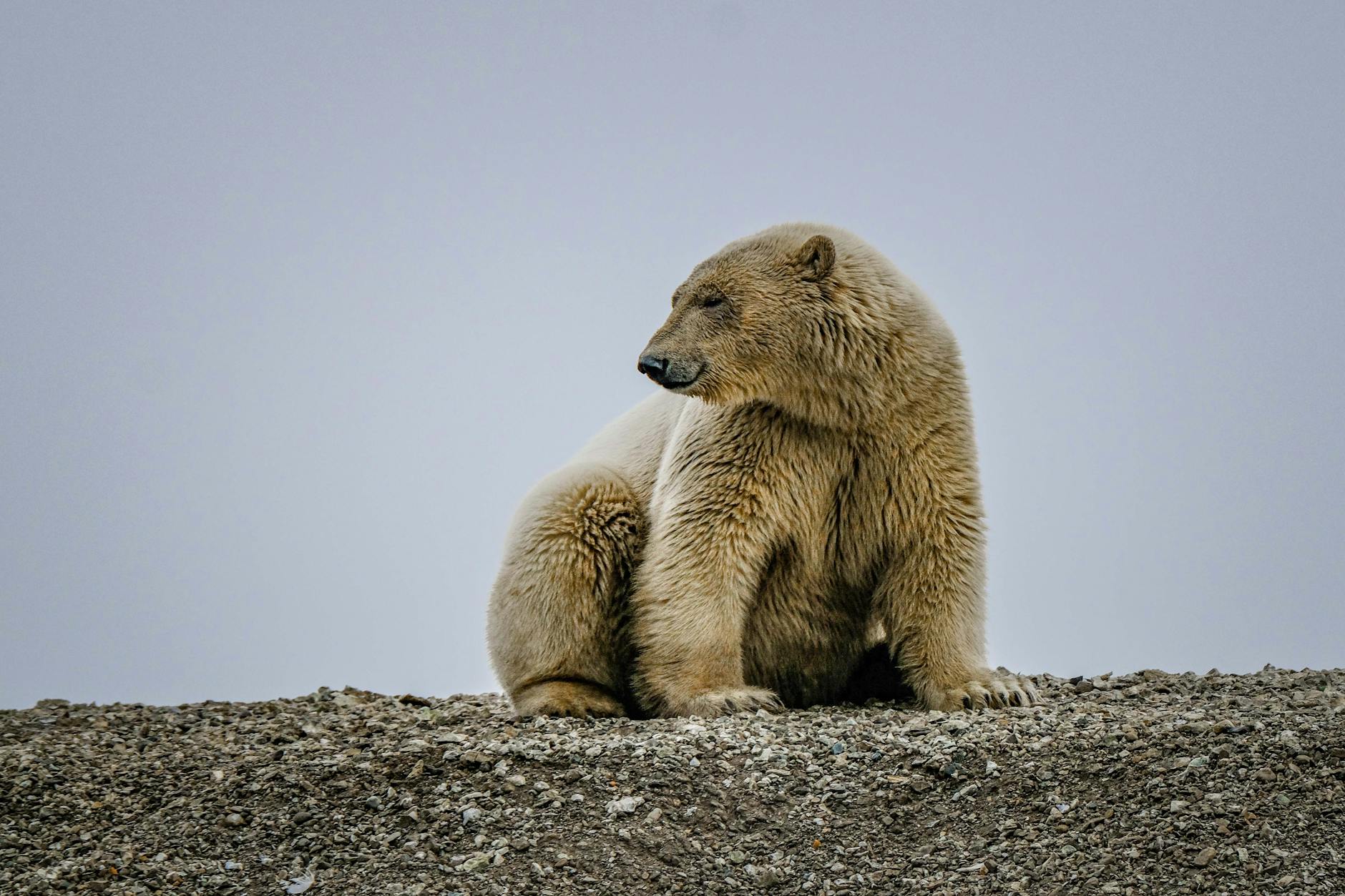
The Polar Bear Factor
You cannot talk about safety here without talking about polar bears. They are the kings of the archipelago. Period. The rule is simple. You never leave the settlement without a trained guide and a rifle. It sounds intense, because it is.
On an expedition cruise, safety is handled with military precision. Before you even set foot on a beach, scouting teams go out to make sure the area is clear. Guides are always scanning the horizon. The goal is never to run into a bear on foot. You want to see them safely from the ship or a zodiac boat. This approach protects you, but it also protects the bears. It allows you to feel that primal thrill of being in predator territory without, you know, actually being in danger. It is a weird, heavy kind of excitement.
The Element of Comfort
There is a strange paradox in the Arctic. You can be surrounded by the most unforgiving landscape on the planet while sitting in a heated lounge with a glass of wine. This is where the “luxury” part actually matters. It is not just about fancy food. It is about providing a safe, warm sanctuary.
Having a stable base allows you to enjoy the intensity of it all. You can spend the day on a zodiac boat weaving through icebergs and then return to a place where the temperature is perfect and the bed is soft. This balance makes the Arctic accessible. It takes the “risk” out and replaces it with “adventure.” I guess that is the real luxury. Peace of mind in a wild place.
Why It Is Worth It
Ultimately, those small worries are what make the rewards so great. There is a real sense of accomplishment in reaching the high north. When you see the massive scale of a glacier or that deep, impossible blue of the water, the safety concerns just fade away. You realize that with the right team, the Arctic is not something to be feared. It is something to be marveled at. You return home not just safe, but changed. Maybe even a little bit tougher.