
By Samantha Rowe
I never imagined how much a country could teach me until I set foot in Peru. This wasn’t just another trip. It was an immersive experience packed with life lessons, cultural exchange, and academic insight. There’s something here that will shape your worldview forever, whether you’re planning a research sabbatical, taking a gap year, or completing an internship.
Field Experience: Healthcare Internships
The country partners with various organizations to offer short-term volunteer and internship programs and help you gain experience in Peru. Together, they provide unique learning opportunities that take education to the next level.
Healthcare internships, in particular, are incredibly impactful. Expect to gain clinical exposure, improve cross-cultural communication skills, and deepen your understanding of global health challenges.
Interns also get to shadow local doctors, nurses, and health workers in rural clinics or city hospitals, observing everything from general check-ups to maternal care. Some programs also involve teaching basic hygiene, sanitation, and nutrition in underserved communities and remote areas.
Volunteer Work in Other Sectors
You can also immerse yourself in other sectors. I joined a sustainable farming initiative near the Valley of the Apurímac, Ene, and Mantaro Rivers, where I learned more about biodiversity and indigenous agricultural practices than I ever could from a classroom.
Others in my group volunteered with ecotourism projects in the Loreto Region, while some worked in the Amazon jungle. In Lima, I met interns working in policy and law via partnerships between local NGOs and universities.
These hands-on roles taught us not only technical skills but also cultural sensitivity, adaptability, and teamwork. The experience wasn’t glamorous, but it was intensely rewarding.
Other Educational Opportunities
Peru also offers other academic learning opportunities, from short-term courses to immersive cultural workshops.
Language Lessons
One of the most accessible options is enrolling in language schools in Cusco or Arequipa, where you can learn Spanish—or even Quechua—in a supportive, immersive environment. Some even include weekend excursions to archaeological sites, helping students connect language with context.
Student Exchange Programs
Universities in Lima and Cusco also welcome international students for exchange programs, especially in areas like anthropology, archaeology, environmental studies, and Latin American history. Taking a course on pre-Columbian civilizations while being able to visit Sacred Valley, Machu Picchu, Monasterio de Santa Catalina, or Iglesia de Santo Domingo on weekends is an academic experience like no other.
Art Workshops
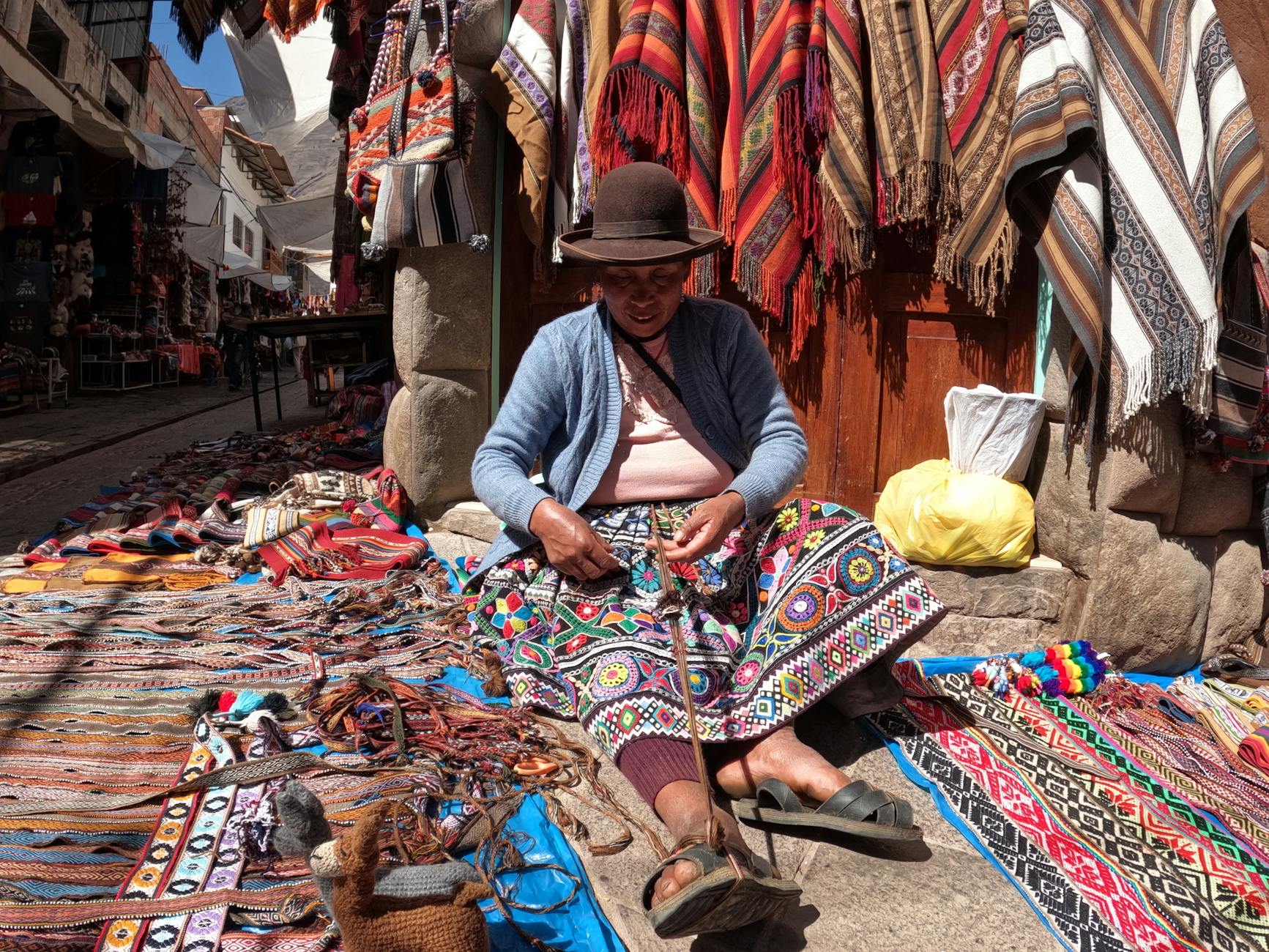
Suppose you’re passionate about the arts or the local culture. In that case, you can find workshops in traditional Andean weaving, ceramic art, or Peruvian cuisine in tourist-friendly cities and regions like Cusco, the Sacred Valley, Arequipa, and even Lima. You’ll hear stories passed down for generations, learn about natural dyes, and understand how food and craft intersect with identity.
Peru has a way of turning every moment into a meaningful lesson. Even so, availing these educational pathways can reinforce your learning goals—whether you’re studying, researching, or simply curious—as it combines classroom learning and practical experience.
Learning Through Landmarks: A Living Classroom
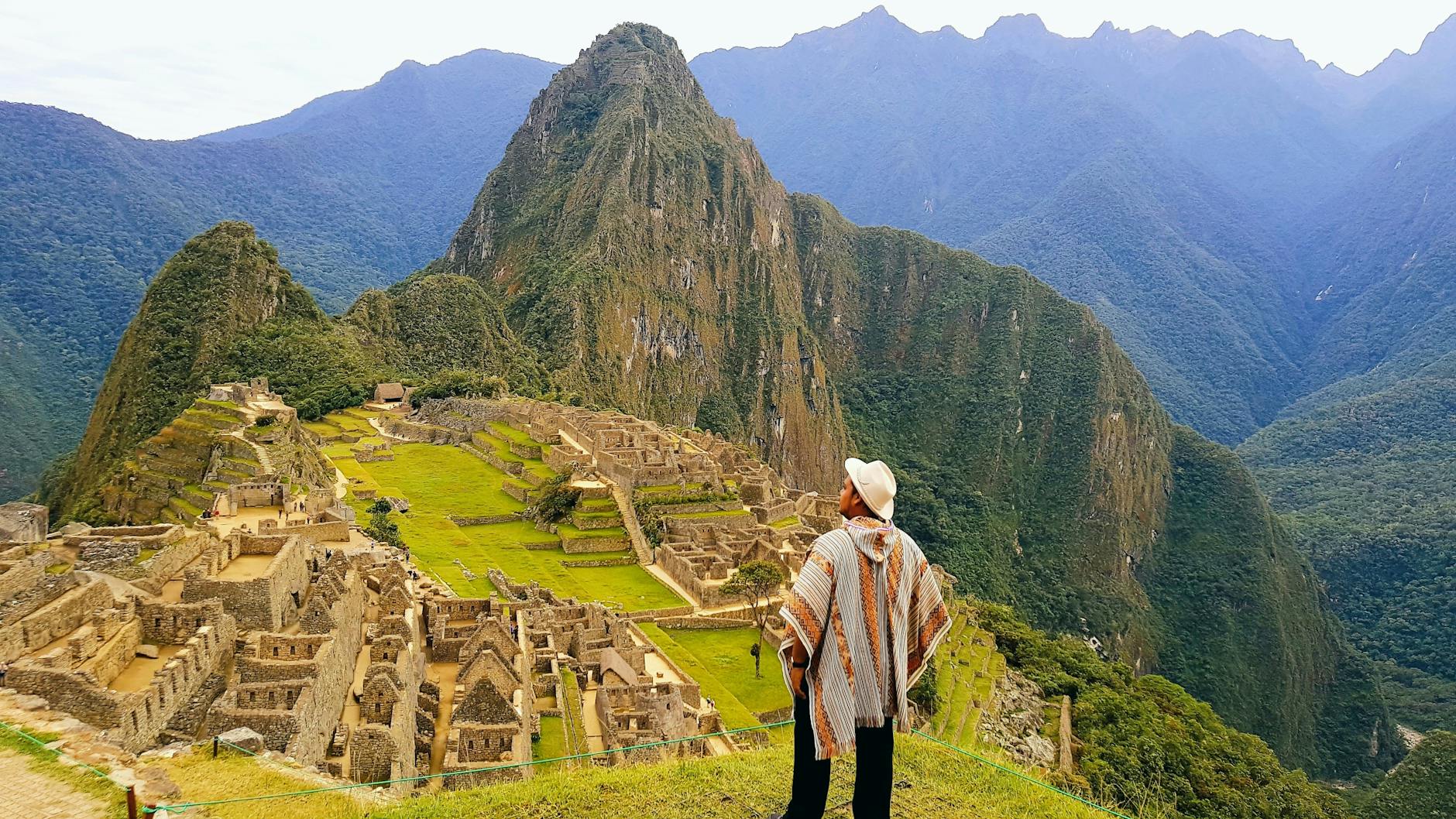
History isn’t confined to books in this South American country. It’s carved into stone, painted in vibrant colors, and echoing in the wind across mountaintops. I began my journey at Machu Picchu, the crown jewel of the Andes. Walking along Circuit 1, then later doubling back through Circuit 3, I felt as though I were flipping through a giant, open-air textbook curated by the Peruvian Ministry of Culture.
Every step on the Inca Trail offered insight into ancient engineering, astronomy, and sustainable living. I wasn’t just sightseeing. I was understanding how a civilization flourished at high-altitude peaks with limited tools, yet astounding wisdom.
The Sacred Valley between Cusco and Ollantaytambo gave me more context, especially as I explored the surrounding archaeological sites with a local guide trained through National Geographic programs. These weren’t mere ruins but were lessons in resilience, community, and innovation.
Geography as a Teacher: Nature’s Lessons
Peru is filled with incredible geographical features that invite exploration and discovery. My climb up Laguna Paron in the Cordillera Blanca, for instance, wasn’t just for the panoramic views. It turned into an impromptu geology lesson as our guide explained how glacial shifts have affected local ecosystems. I’d read about this in Lonely Planet, but nothing compares to witnessing it firsthand.
Over in the Cañón Del Colca, also known as Colca Canyon, I watched Andean condors soar majestically through the sky. These birds are not only Peru’s natural icons but also environmental indicators. Learning how climate change affects their migration patterns brought textbook theories into painful clarity.
I also visited Lake Titicaca and stayed overnight on Isla Amantaní, where I helped a local family harvest quinoa. Discussions around food safety, water filtration, and climate variability deepened my understanding of rural nutrition and global hunger.
Helpful Travel Tips for Education-Focused Travelers
When conducting academic fieldwork or educational research in Peru, keep these important considerations in mind:
- Always carry bottled water to prevent illness.
- Pack altitude meds—altitude sickness is real, especially in Cusco and the Rainbow Mountains.
- Make use of trip-building tools from Lonely Planet or National Geographic for targeted educational adventures.
- Create a study-abroad checklist that includes your driver’s license, backup personal identification cards, and health forms.
- Download GPS navigation apps with offline capability for remote areas.
- Talk to locals. No book can replicate a heartfelt story shared over a meal.
- Bring some US dollars for emergencies, but always exchange them for Peruvian Sol for daily use.
If you’re planning broader comparative studies across South America, consider how your Peru research might complement work in neighboring countries, like Costa Rica. Don’t forget to check immigration requirements for research visas and any special documentation needed for academic work through official government channels.
Final Thoughts
In Peru, every trail leads to transformation. It’s about what you learn, how you grow, and the people you meet along the way that matter more than the stunning views or vibrant festivals. From the heights of the Inca Trail to the heart of the Amazon rainforest, Peru is a classroom unlike any other.
So, if you’re looking to make your academic work meaningful, consider going beyond traditional classroom learning. Engage in fieldwork, pursue internships, collaborate with local institutions, or conduct interviews wherever your studies take you. Peru won’t just expand your knowledge; it’ll transform your approach to learning and research.